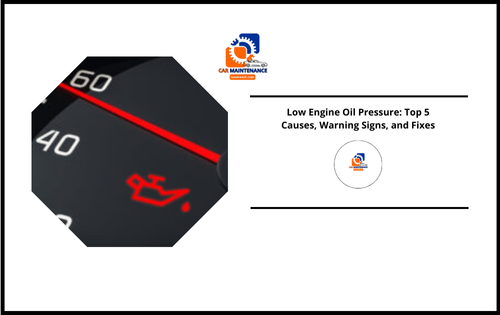
Low engine oil pressure is a serious issue that can quickly damage your vehicle’s engine if ignored. Engine oil is essential not only for lubricating moving parts but also for preventing overheating and ensuring smooth performance. Even a slight drop in oil pressure can cause severe engine damage in a short time. Understanding the main causes and early warning signs of low engine oil pressure can help you protect your car and avoid expensive repairs.
Proper oil pressure ensures that every engine component receives adequate lubrication. When pressure drops, friction increases, temperatures rise, and engine parts wear out faster. Regularly monitoring oil levels and performing timely maintenance are crucial for preventing these problems.
1. Incorrect Oil Viscosity

One of the most common causes of low engine oil pressure is using oil with the wrong viscosity. Oil viscosity refers to its thickness and flow resistance. Low-viscosity oils offer less resistance, which can reduce pressure, while high-viscosity oils can make it harder for oil to reach all engine components.
Always consult your vehicle’s manual and use the recommended oil grade. Correct viscosity ensures proper lubrication, maintains consistent pressure, and protects engine components from excessive wear.
2. Oil Pump Damage
The oil pump is critical for circulating oil throughout the engine. If the pump is damaged, worn out, or clogged, circulation decreases, resulting in low oil pressure. Common causes of oil pump issues include contamination, improper installation, lack of maintenance, and natural wear over time.
A faulty oil pump can rapidly compromise engine health. Drivers should inspect the oil pump if they notice fluctuating pressure or unusual engine noises. Timely repair or replacement is essential to prevent severe engine damage.
3. Oil Leaks
Oil leaks directly reduce the engine’s oil level, lowering pressure. Even minor leaks from seals, gaskets, or cracks can cause significant problems.
It’s crucial to detect and repair leaks promptly. Running an engine with insufficient lubrication increases friction, wear, and the risk of overheating. Regularly check under your vehicle and monitor oil levels to catch leaks early.
4. Engine Wear
Older engines are more prone to low oil pressure due to wear and tear. Worn components and increased clearances allow oil to flow more freely, reducing pressure. Additionally, older engines may consume more oil, further lowering pressure.
Maintaining a consistent schedule of oil changes, using high-quality oil, and performing routine inspections is vital for aging engines. This helps preserve oil pressure and extends engine life.
5. Oil Filter Problems
A malfunctioning or clogged oil filter can reduce oil pressure. Filters contain pressure relief valves that regulate oil flow. If the valve fails, oil bypasses the filter too quickly, lowering pressure.
Replace oil filters on schedule with high-quality parts. Neglecting the filter can compromise engine lubrication and accelerate wear.
How to Recognize Low Engine Oil Pressure
Checking oil pressure often requires a gauge or professional inspection. Cold oil is more viscous and may show higher pressure readings, but persistent low pressure indicates a problem. Common warning signs include:
-
Oil warning light on the dashboard
-
Smell of burning oil
-
Unusual engine noises, like knocking or ticking
-
Reduced engine performance or overheating
Early recognition of these symptoms prevents costly repairs and severe engine damage.
Conclusion
Low engine oil pressure is a critical problem that should never be ignored. Key causes include incorrect oil viscosity, worn oil pumps, leaks, engine wear, and faulty oil filters. Drivers should watch for unusual noises, dashboard alerts, and overheating.
Maintaining proper oil pressure involves regular checks, timely oil and filter changes, and immediate attention to leaks or engine issues. Staying vigilant and performing routine maintenance protects your engine, ensures safe driving, and prevents expensive repairs. Consistent oil pressure is essential for prolonging engine life and keeping your vehicle running smoothly.