What is Engine Decarbonization?
Engine decarbonization is an automotive maintenance procedure that has gained significant attention in recent years, though it remains a subject of debate among mechanics and drivers alike. This process involves removing carbon deposits, soot, and other residues that accumulate inside your engine over time and regular use.
Using a specialized hydrogen generator, gas is injected directly into the engine’s intake system while the vehicle is running. When hydrogen reaches the combustion chamber, it significantly increases the internal temperature, causing the dissolution and elimination of accumulated deposits through the exhaust system.
Why Do Carbon Deposits Accumulate in Engines?
Every engine experiences performance degradation as mileage increases and time passes. Carbon deposits form from a combination of dust, oil residue, and combustion byproducts that settle on critical components including intake valves, spark plugs, fuel injectors, piston rings, and cylinder walls.

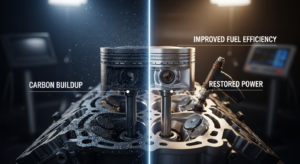
These buildups manifest through noticeable symptoms: increased fuel consumption, sluggish acceleration from standstill and during overtaking maneuvers, reduced engine power, and overall diminished efficiency. Components such as the EGR valve and turbocharger can also suffer from carbon accumulation, affecting their performance.
Decarbonization Methods Explained
Mechanical Decarbonization
This traditional approach requires physically dismantling engine components to manually remove carbon deposits. While thorough, this technique is time-consuming and demands professional expertise. Without proper mechanical knowledge, attempting this method can result in serious damage or even complete engine failure.
Chemical Decarbonization
The modern chemical method uses hydrogen injection technology. A specialized generator introduces hydrogen gas through the intake manifold while the engine operates at specific RPM levels. The process typically takes 30 to 45 minutes for standard vehicles, though engines with larger displacement may require additional time. Carbon deposits gradually dissolve and exit through the exhaust pipe.
Benefits of Engine Decarbonization
Reduced Fuel Consumption
One of the most reported advantages is improved fuel economy. After treatment, vehicles typically show measurably lower fuel consumption under identical operating conditions, translating to significant savings over time.
Enhanced Engine Performance
Most drivers who undergo this procedure notice tangible improvements in engine responsiveness. The previously experienced power loss during acceleration and overtaking diminishes considerably, restoring the engine’s original performance characteristics.
Extended Engine Lifespan
Carbon deposits don’t merely affect performance—they accelerate wear and can trigger expensive mechanical failures. Proponents argue that regular decarbonization prevents premature deterioration and extends overall engine longevity by maintaining optimal operating conditions.
Reduced Emissions
Cleaner combustion chambers and intake systems contribute to more efficient fuel burning, potentially reducing harmful exhaust emissions and helping vehicles pass emission tests more easily.
Drawbacks and Risks of Engine Decarbonization
Despite the potential benefits, this procedure carries notable risks, particularly when performed incorrectly.
Risk of Engine Damage
The most significant danger involves unqualified technicians performing the service in uncontrolled environments. Excessively high temperatures during the process can cause substantial engine damage, including warped cylinder heads or damaged valves.
Hydrogen Injection Hazards
Improper hydrogen injection rates can dissolve piston materials or damage cylinder walls. Additionally, incorrect temperature management in the combustion chamber may burn engine gaskets and seals, resulting in costly repairs that far exceed the service cost.
Mixed Results
While many drivers report satisfaction, others notice no improvement or even increased engine noise following treatment. This inconsistency suggests that results may vary based on engine condition, vehicle age, and service quality.
Is Engine Decarbonization Right for Your Vehicle?
Engine decarbonization should be viewed as preventive maintenance rather than repair. It works best for vehicles showing early signs of carbon buildup before severe damage occurs. Regular maintenance schedules, including oil changes and quality fuel usage, remain essential regardless of decarbonization treatments.

Consider this service if your vehicle exhibits symptoms like reduced power, increased consumption, or rough idling. However, ensure the work is performed by certified professionals using calibrated equipment in controlled environments. Always request documentation of the procedure and verify the technician’s experience with your specific engine type.
Remember: decarbonization complements regular maintenance but doesn’t replace it. For optimal engine health, combine periodic decarbonization with manufacturer-recommended service intervals and quality lubricants.
Conclusion
Engine decarbonization remains a controversial yet potentially beneficial maintenance procedure for modern vehicles. While the science behind hydrogen-based carbon removal is sound, success depends heavily on proper execution by qualified professionals using calibrated equipment.
The mixed reviews from drivers highlight an important truth: this service isn’t a magical solution for all engine problems, nor is it universally necessary for every vehicle. For engines showing clear symptoms of carbon buildup—reduced power, increased fuel consumption, or rough performance—decarbonization performed by experienced technicians can deliver noticeable improvements and extend engine life.
However, the risks associated with improper application cannot be ignored. Excessive temperatures, incorrect hydrogen injection rates, or inadequate technical knowledge can cause damage that far exceeds any potential benefits. Therefore, thorough research into service providers, verification of their credentials, and realistic expectations are essential before proceeding.