The braking system of your vehicle is one of the most important safety components. When you press the brake pedal, you expect the car to respond instantly — but this is only possible if the system has the correct amount of brake fluid and no leaks. Any loss of brake fluid compromises braking efficiency and increases the risk of an accident. Identifying the problem early can prevent dangerous situations and costly repairs.
Brake fluid is essential because it transfers the force you apply to the pedal to the brake calipers or cylinders at each wheel. Since this hydraulic circuit must remain sealed at all times, any drop in fluid level signals a leak or a component failure. Understanding the main causes, warning signs, and proper actions is crucial for every driver.
🔍 Why Brake Fluid Leaks Occur
Brake fluid can escape from several locations inside the braking system. The most common leak points are:
-
Brake calipers or wheel cylinders — Worn seals allow fluid to escape near the wheels.
-
Brake hoses or metal lines — Cracks, corrosion, or road damage can create holes.
-
Master brake cylinder — The internal seals can fail, leading to slow leaks.
-
ABS pump/modulator — Damage or internal corrosion may cause fluid loss.
Because brake fluid operates under high pressure, even a tiny leak can rapidly worsen.
⚠️ Warning Signs of Brake Fluid Loss
Below are the most important symptoms drivers should NEVER ignore:
1️⃣ Brake Warning Light Turns On

If the brake system symbol illuminates on the dashboard, the vehicle is detecting a fluid level or pressure problem.
This is a serious alert, not a reminder — immediate inspection is needed.
2️⃣ Soft or Spongy Brake Pedal
If air enters the lines due to a leak, the pedal loses firmness. Pressing it may feel:
✔ Too soft
✔ Slow to respond
✔ It sinks closer to the floor
This means braking pressure is not reaching the wheels properly and can cause partial or total brake failure.
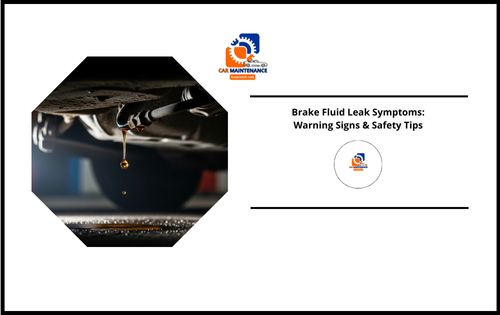
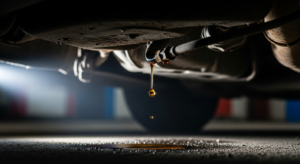
3️⃣ Brake Fluid Puddle Under the Car
Leaked brake fluid may appear underneath the vehicle, especially near:
-
Front wheels → Calipers
-
Rear axle → Wheel cylinders or lines
-
Under the driver area → Master cylinder leak
Brake fluid is typically clear to yellowish and slippery to the touch. Any trace must be checked immediately.
4️⃣ Car Takes Longer to Stop
If fluid is leaking, braking power is reduced. You may notice:
-
Increased stopping distance
-
The need to press harder to stop
-
The car pulling to one side while braking
This means the system is no longer delivering stable hydraulic pressure.
5️⃣ Total Brake Failure
If leaks are ignored long enough, the pedal may go fully down without braking effect.
This is extremely dangerous and can lead to a crash in seconds.
If this happens, do NOT continue driving. The vehicle must be towed to a service center.
🔧 What Should You Do If Brake Fluid Is Leaking?
If you detect any sign listed above:
✔ Stop driving
✔ Check brake fluid level in the reservoir
✔ Visit a certified repair shop immediately
Driving with a braking system defect puts lives at risk.
Repairs may include:
-
Replacing hoses, lines, or seals
-
Repairing or replacing the master cylinder or calipers
-
Bleeding the brakes to remove trapped air
The cost varies depending on the location of the leak, but delaying repairs always makes the problem more expensive and more dangerous.
🧰 Prevention and Safety Tips
To avoid brake failure:
✔ Check fluid level regularly
✔ Inspect brake lines and hoses during maintenance
✔ Replace worn brake pads before they damage calipers
✔ Don’t ignore dash warnings or pedal changes
A well-maintained braking system ensures maximum road safety.
🏁 Conclusion
Brake fluid should never disappear from the braking system. Any leak is a clear indication of a malfunction that requires urgent attention. Ignoring symptoms like a soft brake pedal, dashboard warnings, or visible fluid under the car can quickly escalate into total brake failure — a life-threatening situation.
Prioritizing the health of your braking system protects you, your passengers, and everyone on the road.
If your brakes show any abnormal behavior, stop driving and get professional help immediately. Safety must always come first.