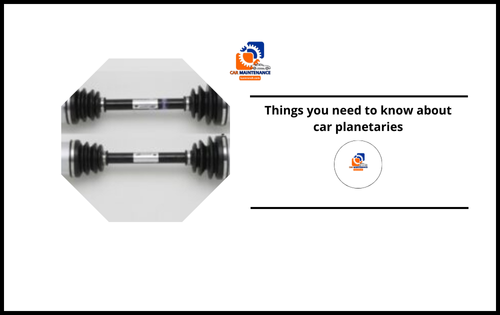
The planetarium, also known as the planetary joint or constant velocity joint, is a key component of the car’s transmission system. Its primary function is to convert the engine’s kinetic energy into motion that allows the wheels to rotate smoothly. This part is made up of a cardan axis with planetary heads on both ends, each containing a pair of joints. The central axis, built from strong steel, connects the system and allows the wheels to adapt to bumps or changes in direction while steering.
Without a properly functioning planetary joint, the transmission system cannot effectively deliver power to the wheels, especially when driving over uneven roads, turning the steering wheel, or accelerating. For this reason, understanding how this component works and knowing the signs of failure is crucial for safe and efficient driving.
What are the main signs of car planetary joint failure?
While driving normally, planetaries generally work without issues. However, in many vehicles—especially those with front-wheel drive—these joints endure higher pressure because they must both steer and transmit power at the same time. Over time, this constant stress causes gradual wear.
One of the most common ways to detect planetary joint failure is by listening to unusual noises. If you begin to hear a loud clicking, knocking, or repetitive clacking sound when you start driving, take sharp turns, or accelerate from a stop, this often indicates that the joint is damaged. The faster the vehicle moves, the faster and louder the noise becomes.
Causes of Planetary Joint Damage
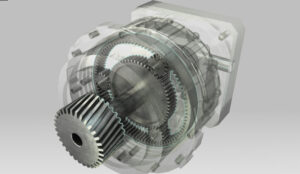
One major source of damage involves the protective rubber boot, also known as the planetary bellows. This boot seals grease inside the joint and prevents dirt, dust, and debris from entering. When it becomes torn, squeezed, or cracked, the lubrication leaks out, leaving the joint vulnerable to metal-to-metal friction. This greatly speeds up wear and can eventually cause complete failure.
Another risk factor is time and usage. Older vehicles with worn suspension systems often show earlier planetary deterioration. Aggressive driving, sudden acceleration, and frequent turns also contribute to faster wear.
What to Do If the Planetary Joint Shows Symptoms
If you notice clicking noises, vibrations in the steering wheel, or instability during turns, the best step is to visit a professional auto service as soon as possible. A mechanic will inspect the boot, lubrication, and the internal condition of the joint. In some cases, replacing only the head of the planetary joint is enough. However, if the damage is extensive, the entire assembly must be replaced.
Driving with a failing planetary joint is risky. If the joint breaks completely, the wheel will no longer receive engine power, leaving you stranded in the middle of the road. Therefore, it’s important to treat even the smallest warning as a serious signal.
Maintenance Tips to Extend Its Lifespan
To prevent premature planetary joint wear, it is recommended to:
-
Inspect the rubber boot regularly for cracks or leaks.
-
Avoid sudden acceleration and harsh turning movements.
-
Schedule routine maintenance, especially on older vehicles.
-
Pay attention to unusual noises or vibrations at low speeds.
-
Keep the suspension system in good condition.
Taking simple precautions ensures smoother driving, better performance, and reduced repair costs over time.
Conclusion
The planetarium, or planetary joint, plays a vital role in transferring engine power to the wheels while adapting to road surface changes and steering movement. When working correctly, it maintains stability, acceleration, and overall control of the vehicle. However, because it constantly withstands strong forces, it requires proper care, routine inspection, and immediate attention when signs of wear appear.
Understanding its purpose and symptoms of failure helps drivers stay safe and avoid costly breakdowns. Keeping this component in good condition ensures the vehicle performs efficiently, reliably, and comfortably in everyday driving situations.