Winter car safety begins with understanding how cold weather fundamentally changes vehicle behavior and road conditions. Reduced daylight, freezing temperatures, and hazardous surfaces demand proactive maintenance and careful preparation. By addressing critical systems before winter’s arrival, drivers protect their vehicles and ensure safe travel throughout the season’s most challenging months.
Critical Lighting System Checks
Winter’s shortened daylight hours make functional lighting absolutely essential for winter car safety. Morning commutes begin in darkness while evening drives occur after sunset, placing unprecedented demands on headlights, taillights, and turn signals. Without proper illumination, accident risk increases dramatically as other drivers struggle to detect your vehicle’s presence and intended movements.
Inspect all exterior lights thoroughly before winter arrives, replacing dim or flickering bulbs immediately. Pothole damage from previous seasons weakens filaments, causing failures precisely when reliable lighting becomes most critical. Check headlight alignment to ensure proper beam patterns, and clean lens covers regularly since road salt and grime drastically reduce light output even from functioning bulbs.
Battery and Charging System Reliability
Cold weather severely compromises automotive batteries, reducing chemical reaction efficiency and available cranking power. Batteries performing flawlessly during summer often fail completely when temperatures plummet, stranding drivers in dangerous situations. Winter car safety depends heavily on reliable starting capability, making battery assessment a non-negotiable priority.
Schedule professional battery testing before winter weather strikes, allowing technicians to measure charge capacity, cranking amps, and internal resistance. This diagnostic identifies weakening batteries before complete failure, providing opportunity for preventive replacement. Simultaneously inspect alternator charging output, ensuring adequate voltage delivery during short winter trips when electrical demands from heaters, defrosters, and lights run continuously. Clean battery terminals thoroughly, removing corrosion that impedes flow and contributes to starting difficulties.
Brake System Performance in Winter
Brake performance becomes critically important when stopping distances increase substantially on slippery surfaces. Comprehensive brake inspection should examine pad thickness, rotor condition, hydraulic fluid levels, and line integrity before winter conditions test these components under maximum stress. Winter car safety relies on braking systems responding predictably and powerfully during emergency situations.
Professional brake service identifies worn components requiring replacement, ensuring maximum stopping power when roads become treacherous. Understanding parking brake behavior in freezing conditions prevents frustrations and damage. When temperatures drop overnight, engaged parking brakes can freeze in applied position as moisture turns to ice, locking wheels solid. During extreme cold, park vehicles in gear on level surfaces rather than relying on parking brakes.
Engine Warm-Up and Oil Circulation
Modern engines benefit from brief warm-up periods before driving in extremely cold weather. While extended idling wastes fuel, allowing thirty to sixty seconds for oil circulation before departure enhances engine protection. Cold temperatures dramatically increase oil viscosity, slowing flow through narrow passages to critical components like valve trains and bearing surfaces.
This brief warm-up allows thickened oil to reach upper engine areas, providing protective lubrication before driving demands place stress on components. Avoid aggressive acceleration or high engine speeds until temperature gauges show the engine approaching normal operating range, typically after several minutes of gentle driving.
Cooling System and Antifreeze Concentration
Cooling systems require careful attention for winter car safety despite cold ambient temperatures. Antifreeze concentration must provide adequate protection against freezing, which causes catastrophic engine damage when expanding ice cracks engine blocks or cylinder heads. Professional coolant testing ensures your mixture withstands the lowest temperatures your region experiences.
Monitor engine temperature gauge behavior during winter driving. Engines should reach and maintain normal operating temperature regardless of outside conditions. If temperature remains unusually low, the thermostat may be stuck open, preventing proper engine warm-up. This condition reduces fuel efficiency, increases emissions, and prevents effective heater operation.
Comprehensive Winter Preparation
Winter car safety demands attention to suspension components, steering linkages, and tire condition. Tire tread depth directly affects traction on snow and ice. Winter tires with specialized rubber compounds dramatically improve safety compared to all-season tires in severe conditions. Windshield wiper blades must clear glass effectively to maintain visibility during winter precipitation. Replace worn blades and ensure washer fluid contains freeze-resistant solution.
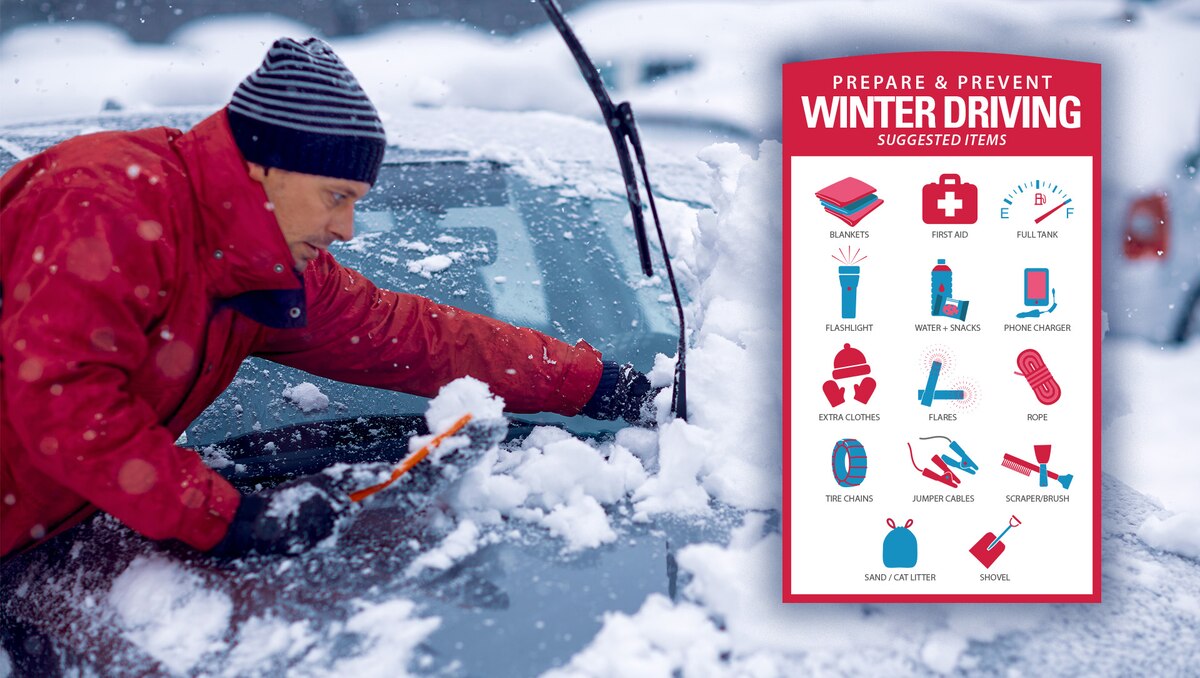
Assemble emergency equipment for unexpected situations, including blankets, flashlight, jumper cables, ice scraper, small shovel, sand for traction, non-perishable food, water, and first aid supplies. These items provide critical resources if breakdowns leave you stranded during severe weather.
Conclusion
Comprehensive winter car safety preparation protects against seasonal challenges while ensuring reliable vehicle performance. By systematically addressing lighting, electrical, braking, and engine systems before winter arrives, drivers minimize breakdown risks and enhance safety margins when conditions deteriorate. Combined with appropriate emergency supplies and adjusted driving techniques, these maintenance practices create confidence for navigating winter roads successfully.