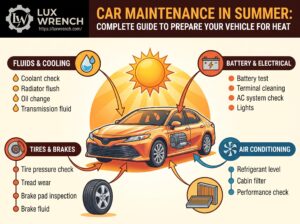
Every vehicle requires consistent inspection and maintenance to prevent serious operational problems when they become most expensive to repair. The engine, being the heart of any automobile, demands particular attention. Its components work together as an interconnected system, meaning that when one part fails, others quickly become affected. Understanding proper engine maintenance is crucial for every car owner who wants to avoid costly repairs and ensure reliable performance.
Why Engine Maintenance Matters
The engine consists of numerous parts that function in unison to power your vehicle. When these components are properly maintained, they work efficiently and last longer. However, neglecting even minor maintenance tasks can lead to cascading failures that compromise your car’s performance, safety, and longevity. Regular inspections help identify early signs of wear, leaks, or malfunctions before they escalate into major mechanical problems.

Proper engine care also maintains fuel efficiency, reduces harmful emissions, and enhances overall driving comfort. By keeping your engine in optimal condition, you avoid inconvenient breakdowns, expensive repairs, and potential safety hazards on the road. Preventive maintenance represents an investment that protects both your vehicle and your peace of mind.
Engine Oil: The Lifeblood of Your Vehicle
Engine oil plays an absolutely critical role in maintaining proper engine function. For the engine to operate correctly, it needs adequate lubrication to reduce friction between moving metal parts. Quality engine oil ensures smooth operation, prevents excessive wear, and helps maintain optimal operating temperatures.
For silent, trouble-free driving, experts recommend changing your engine oil every 10,000 to 15,000 kilometers, depending on your driving conditions and vehicle specifications. As oil ages, it loses its lubricating properties, becoming contaminated with dirt, metal particles, and combustion byproducts. When oil degrades, engine parts experience increased friction and wear, directly affecting vehicle performance and potentially causing serious damage.
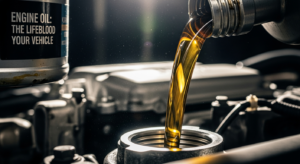
Regular oil changes are among the most important and cost-effective maintenance tasks you can perform. Using the correct oil grade specified by your vehicle manufacturer ensures maximum protection and efficiency.
Cooling System: Temperature Control
The cooling system maintains the optimal operating temperature for your engine, preventing overheating that can cause catastrophic damage. This system transfers coolant, also known as antifreeze, from the radiator through the engine block and back, absorbing and dissipating excess heat.
For proper engine operation, the antifreeze container level must be checked regularly and kept at the appropriate level. Low coolant levels can lead to engine overheating, resulting in warped cylinder heads, blown gaskets, or complete engine failure. These repairs are extremely expensive and often preventable through simple coolant level checks.
Inspect the cooling system for leaks, check hose condition, and ensure the radiator cap seals properly. Additionally, coolant should be flushed and replaced according to manufacturer recommendations, as it also loses effectiveness over time.
Fuel Quality: Clean Energy Source
The quality and cleanliness of fuel directly impact engine performance and longevity. Always use fuel from reputable stations and choose the octane rating specified by your vehicle manufacturer. Contaminated or low-quality fuel can damage fuel injectors, cause carbon buildup, and reduce engine efficiency.
Consider using fuel system cleaners periodically to remove deposits and maintain optimal fuel delivery. Clean fuel ensures complete combustion, maximizes power output, and minimizes harmful emissions.
Battery Condition: Starting Power
The battery provides the electrical power necessary to start your engine and operate various vehicle systems. A failing battery can prevent engine starting or cause irregular operation. Battery problems can manifest as slow cranking, dimming lights, or complete failure to start.
Regularly inspect your battery for corrosion on terminals, check cable connections for tightness, and test battery voltage periodically. Most batteries last three to five years, but extreme temperatures and driving habits can affect lifespan. Replacing a weak battery before it fails completely prevents being stranded unexpectedly.
Spark Plugs: Ignition Components
Spark plugs ignite the air-fuel mixture in engine cylinders, making them essential for proper combustion. Defective or worn spark plugs can cause misfires, rough idling, poor fuel economy, and difficulty starting. They can also trigger serious engine problems if left unaddressed.
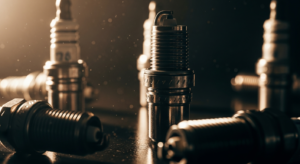
Inspect spark plugs regularly and replace them according to manufacturer intervals. Signs of fouled or worn plugs include decreased acceleration, engine hesitation, and increased fuel consumption. Modern vehicles may have longer spark plug life, but they still require eventual replacement.
Air Filter: Clean Air Intake
Many drivers overlook the air filter, but this component significantly affects engine performance. The air filter prevents dirt, dust, and debris from entering the engine, ensuring clean air for combustion. A clogged air filter restricts airflow, reducing power output and fuel efficiency.
Check your air filter condition regularly, especially if you drive in dusty environments. A dirty filter appears dark and clogged with debris, while a clean filter looks light-colored. Replacing a dirty air filter is inexpensive and can immediately improve engine performance and fuel economy.
Preventive Maintenance Benefits
Consistent engine inspection and maintenance provide numerous benefits beyond preventing breakdowns. Regular care preserves your vehicle’s resale value, ensures warranty compliance, and provides early warning of developing problems. It also establishes a maintenance history that demonstrates responsible ownership.
By staying proactive about engine care, you extend your vehicle’s lifespan, maintain reliability, and enjoy peace of mind knowing your car will perform when needed. The relatively small investment in routine maintenance prevents the significantly larger costs associated with major engine repairs or replacement.
Conclusion
Proper engine maintenance is fundamental to responsible car ownership. By paying attention to critical components like engine oil, cooling system, fuel quality, battery condition, spark plugs, and air filter, you ensure your vehicle operates efficiently and reliably for years to come.
Regular inspections allow you to address minor issues before they become expensive problems. This proactive approach protects your investment, enhances safety, and guarantees a smoother, more enjoyable driving experience without unexpected disruptions or costly surprises. Remember, consistent care today prevents major headaches tomorrow.