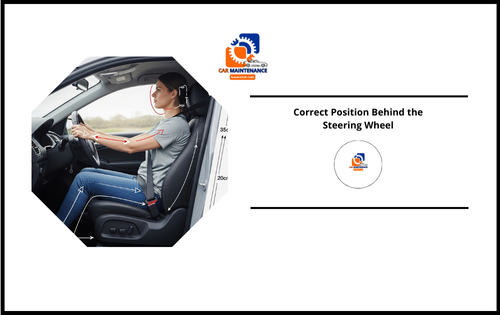
Many drivers underestimate the importance of proper positioning behind the steering wheel, despite it being one of the fundamental lessons taught in driving school. Maintaining the correct posture while driving is not merely about comfort—it directly impacts vehicle control, reaction time, and overall road safety. An improper driving position can lead to increased fatigue, reduced steering control, and delayed responses during critical situations.
Why Proper Driving Position Matters
Incorrect positioning behind the wheel creates multiple hazards that compromise driving safety. When drivers sit improperly, they experience accelerated fatigue during extended journeys, making concentration difficult and increasing accident risk. Poor posture also limits complete control over the steering mechanism, preventing smooth and precise vehicle handling.
Perhaps most critically, inadequate positioning severely impairs the ability to react promptly during emergencies. Split-second decisions require optimal body placement to execute evasive maneuvers effectively. The foundation of safe driving begins with establishing the correct position from the moment you enter the vehicle.

Step-by-Step Guide to Proper Driving Position
Adjusting Seat Height
Seat height adjustment represents the foundational step toward optimal driving posture. Your thighs should maintain comfortable distance from the steering wheel, preventing cramped positioning that transforms driving into an uncomfortable and challenging task.
Lower seat positioning generally provides enhanced stability and vehicle control. However, visibility must remain the primary consideration. Adjust height so you can clearly observe the entire windshield without straining your neck or compromising your view of the road ahead.
Setting the Backrest Angle
Proper backrest adjustment prevents premature fatigue and chronic back pain during long drives. The backrest should remain nearly vertical, allowing your arms to reach the steering wheel with a slight bend at the elbows. This relaxed position enables better control over maneuvers while maintaining comfort throughout your journey.
An almost upright backrest ensures your spine receives adequate support, distributing weight evenly and reducing pressure on your lower back. This configuration allows effortless access to all vehicle controls without overextending your arms.
Positioning the Steering Wheel Height
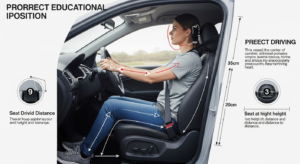
Steering wheel height correlates closely with seat adjustment. When configuring wheel position, ensure your knees have sufficient clearance beneath it, preventing contact during pedal operation. The steering wheel should never obstruct your view of the dashboard instruments or the road ahead.
Proper wheel height enables natural arm positioning without shoulder tension. Your hands should comfortably reach the wheel while maintaining relaxed shoulders and a straight back.
Correct Hand Placement on the Wheel
Visualize a traditional clock face on your steering wheel. Your hands should rest at the nine o’clock and three o’clock positions, providing optimal leverage and control. During turns and maneuvers, avoid gripping the bottom portion of the wheel or crossing your hands, as these techniques reduce control and increase injury risk during airbag deployment.
Modern driving instruction emphasizes the push-pull steering method, where hands remain within the safe zone while executing turns. This technique maintains constant contact with the wheel and prevents dangerous hand positions.
Critical Safety Adjustments
Headrest Configuration
Headrest adjustment serves safety purposes rather than comfort considerations. A properly positioned headrest prevents severe neck injuries during rear-impact collisions, acting as crucial protection for your cervical spine.
Position the headrest approximately one centimeter from the back of your head, aligning the center with your ear level. This placement ensures maximum protection while allowing natural head movement during normal driving.
Mirror Alignment
Mirrors require precise adjustment to maximize visibility while minimizing blind spots. The rearview mirror should frame your entire rear window when you’re seated in your normal driving position. Adjust it using your right hand while your back remains firmly against the seat, ensuring the configuration matches your actual driving posture.
Side mirrors demand careful positioning to expand your visual field. Configure them to show minimal vehicle sides while capturing maximum adjacent lane coverage. Properly adjusted mirrors reduce dangerous blind spots significantly.
Seat Belt Positioning
Seat belt height varies according to driver stature and seat configuration. For optimal protection, the shoulder strap should cross above your shoulder, never touching your neck or slipping off your shoulder. The belt must remain close to your body without excessive slack, ensuring effective restraint during collisions.
The lap portion should rest low across your hips, not your stomach, distributing impact forces across your skeletal structure rather than soft tissue.
Pre-Driving Safety Checklist
Before starting any journey, complete these essential verifications:
- Inspect all lighting systems for proper function
- Check fluid levels including oil, coolant, and brake fluid
- Examine tire pressure and tread condition
- Ensure passengers under fourteen years properly wear seat belts
- Verify all doors close securely and lock properly
Long-Term Benefits of Proper Positioning
Maintaining correct driving posture offers numerous advantages beyond immediate safety. Proper positioning promotes better blood circulation, reducing fatigue-related errors during extended trips. It enables more precise pedal control, smoother steering inputs, and enhanced road visibility.
Ergonomic positioning also protects your musculoskeletal health, preventing chronic pain conditions that develop from prolonged poor posture. Drivers who maintain proper positioning experience less neck strain, reduced shoulder tension, and decreased lower back discomfort.
Conclusion
Establishing the correct position behind the steering wheel represents a simple yet profoundly impactful practice that every driver should prioritize. Proper seating posture ensures optimal vehicle control, reduces fatigue, and dramatically improves reaction times during emergencies. By following systematic adjustment procedures for your seat, steering wheel, mirrors, and safety equipment, you create conditions for safer, more comfortable driving experiences.
These small adjustments yield significant benefits, protecting your health while enhancing your ability to respond effectively to road hazards. Adopting correct posture habits from the beginning of every journey demonstrates commitment to responsible driving and contributes meaningfully to road safety for everyone.