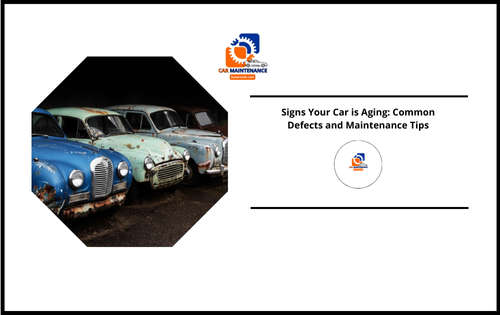
As vehicles age, normal wear and tear starts affecting essential components, making maintenance more critical than ever. Recognizing the signs of an aging car allows drivers to take preventive measures, avoid costly repairs, and ensure safety and reliability. Here’s a detailed guide to the most common defects in older cars and how to address them.
1. Defective Exhaust System
An aging exhaust system often produces louder noise and may show visible rust or corrosion. These signs indicate that the system’s structural integrity has weakened. Generally, exhaust systems can last up to 150,000 km, after which replacement is recommended. Ignoring this issue can reduce engine efficiency and increase harmful emissions. Regular inspections and timely replacement help maintain performance and compliance with environmental standards.

2. Worn Spark Plugs
Spark plugs are vital for proper engine operation. If your car has reached its fourth set of spark plugs, this indicates significant use and aging. Spark plugs typically need replacement around 50,000 km, depending on the manufacturer. Worn plugs can cause misfires, reduced fuel efficiency, and harder starts. Checking and replacing them regularly ensures smooth engine performance.
3. Suspension System Problems
When your car feels unbalanced or bounces excessively over bumps, the suspension system may be worn. Aging suspension components compromise vehicle stability and comfort. Specialists recommend checking suspension systems every 30,000 km. Timely maintenance prevents uneven tire wear, improves handling, and enhances overall safety.
4. Oil Leaks
Older cars are more prone to oil leaks due to worn seals and gaskets. Regular oil changes are essential, especially before long trips. Monthly oil checks help prevent engine damage, overheating, and costly repairs. Maintaining proper oil levels also improves fuel efficiency and engine longevity.
5. Used Braking System
The braking system is one of the most critical safety components. Signs of aging brakes include unusual noises when pressing the pedal and a burnt smell. Brake pads should be inspected around 40,000 km, and full brake system replacement is often necessary after 100,000 km. Timely maintenance ensures safe stopping distances and protects both the driver and passengers.
6. Rust Formation
Rust is a visible sign that your car has aged. While surface rust can be treated, hidden rust is more dangerous as it can compromise structural components. Regular inspections and preventive rust treatment are crucial, especially in older vehicles. Maintaining a clean, protected exterior helps preserve the car’s safety and resale value.
Additional Signs of Aging Cars
Other indicators of an older vehicle include:
-
Unusual engine or suspension noises
-
Reduced fuel efficiency
-
Fluid leaks such as coolant or transmission oil
-
Irregular steering or handling
-
Worn tires and fading interior or exterior components
-
Electrical malfunctions
Being attentive to these signs allows drivers to take proactive measures before minor problems turn into expensive repairs.
Maintenance Tips for Older Vehicles
-
Regular Inspections: Schedule routine checkups with a certified mechanic.
-
Preventive Part Replacement: Replace worn components based on manufacturer recommendations.
-
Monitor Fluids: Regularly check oil, coolant, brake, and transmission fluids.
-
Clean and Protect Exterior: Prevent rust by washing and waxing the car frequently.
-
Maintain Tires and Brakes: Inspect and replace as needed for safety and performance.
Conclusion
Understanding the signs of aging in your car is essential for maintaining safety, performance, and reliability. By paying attention to defects such as exhaust issues, worn spark plugs, suspension problems, oil leaks, aging brakes, and rust, drivers can prevent accidents and costly repairs. Regular inspections, preventive maintenance, and timely replacement of worn parts ensure a longer lifespan for your vehicle. Investing time and effort in caring for an older car provides peace of mind, a smoother driving experience, and retains the vehicle’s value for years to come.