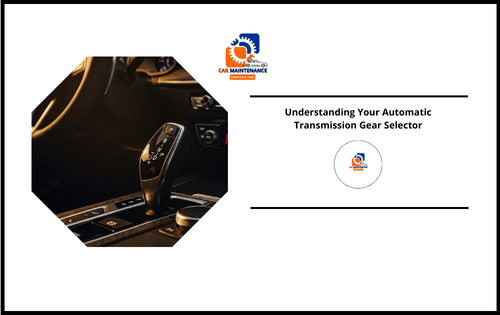
An automatic transmission gear selector is a critical component in modern vehicles, guiding drivers through parking, reversing, neutral, and driving modes. Learning the functions of each letter—P, R, N, D, L, S, and M—ensures safe operation, maximizes performance, and protects your transmission from damage. Unlike manual transmissions, automatic cars do not require constant gear changes with a clutch, which allows drivers to focus more on the road. However, many drivers may not fully understand the meaning of the letters on the gear selector. Knowing what each letter represents is crucial for safe driving, maximizing performance, and preventing costly transmission damage. Every driver should know how to operate the automatic transmission gear selector properly.
The Most Common Letters on Automatic Gear Selectors
Automatic gear selectors use letters to indicate different modes or settings. Each letter corresponds to a specific function of the transmission system, helping the vehicle operate efficiently in varying conditions. Understanding them improves safety, protects your car, and enhances driving experience. Mastering the automatic transmission gear selector ensures smooth operation and safer driving.

P – Park
Purpose: Locks the transmission, preventing the car from rolling.
Use: Always engage P when parking your vehicle or leaving it stationary.
Safety Tip: Even when in P, always apply the parking brake, especially on slopes, to prevent unintended movement. Using P alone without the brake on an incline can stress the transmission over time.
R – Reverse
Purpose: Enables the car to move backward.
Use: Only shift into R when the vehicle is at a complete stop.
Warning: Shifting into R while the car is moving can severely damage the transmission and may lead to costly repairs. Reverse should only be used when maneuvering the car carefully in tight spaces or backing out of driveways.
N – Neutral
Purpose: Disengages the engine from the wheels, allowing the vehicle to roll freely.
Use: Useful when your car needs to be pushed or towed, or when stopped at traffic lights for short durations.
Tip: Avoid using Neutral while driving downhill for extended periods, as it removes engine braking and can reduce control.
D – Drive
Purpose: The standard driving mode for moving forward.
Functionality: Automatically shifts through the gears according to your speed and road conditions.
Benefit: Optimizes fuel efficiency, engine performance, and provides smooth acceleration during regular driving.
L – Low
Purpose: Keeps the car in lower gears for more power and engine braking.
Use: Ideal for steep inclines, descents, or when towing heavy loads.
Benefit: Prevents brakes from overheating during long downhill drives and maintains better control on challenging terrains.
S – Sport
Purpose: Enhances performance by allowing the engine to rev higher before shifting gears.
Use: Recommended for overtaking or dynamic driving conditions that require quicker acceleration.
Benefit: Provides more responsive acceleration and improved driving control in sporty or demanding situations.
M – Manual Mode
Purpose: Enables the driver to manually shift gears, either via the gear selector or paddle shifters.
Use: Offers greater control in situations where automatic shifting may be less efficient, such as mountain driving or precise maneuvering.
Benefit: Combines the convenience of an automatic transmission with the engagement of manual driving, allowing for more personalized control over your vehicle.
Why Understanding Gear Letters Matters
Each gear letter is more than just a symbol; it represents a specific command to the car’s transmission system. Proper use ensures:
-
Smooth operation in various driving conditions
-
Enhanced safety while parking, reversing, or descending hills
-
Reduced wear on the transmission, preventing costly repairs
Misusing the gear selector—like shifting into R or P while moving—can result in mechanical failure, increased maintenance costs, and potential accidents. Awareness of these settings allows drivers to adapt efficiently to different road and traffic conditions.
Tips for Safe Automatic Transmission Use
-
Always come to a complete stop before shifting to P or R.
-
Use the parking brake, especially on inclines.
-
Shift to L when descending steep slopes to utilize engine braking.
-
Engage S for dynamic or overtaking situations requiring quick response.
-
Use M for manual control when D mode does not provide sufficient performance.
Following these habits prolongs the life of your transmission and ensures a safer, smoother ride.
Conclusion
The letters on an automatic transmission may seem simple, but they carry critical meaning for vehicle operation. Mastering their use enhances safety, preserves your transmission, and ensures smoother driving. Whether you are new to automatic vehicles or have years of experience, revisiting these basics guarantees greater control, efficiency, and awareness on the road.
Remember: P, R, N, D, L, S, and M are not just symbols—they are keys to safer, smarter, and more confident driving. Proper understanding and responsible use of these gear modes will help you protect your car, reduce maintenance costs, and enjoy a more efficient and reliable driving experience.