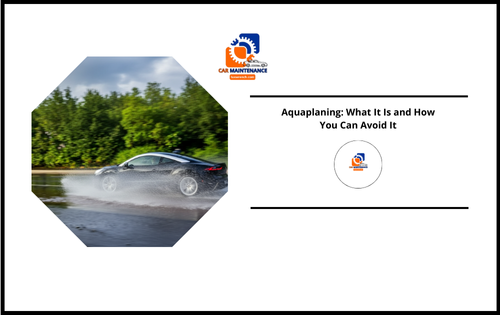
Aquaplaning, also known as hydroplaning, is one of the most dangerous phenomena drivers can encounter on wet roads. Understanding what causes this hazardous situation and knowing how to prevent and handle it can be the difference between a safe journey and a serious accident.
What Is Aquaplaning?
Aquaplaning occurs when a thin film of water forms between your vehicle’s tires and the road surface. During this phenomenon, tire treads lose direct contact with the asphalt, causing traction to decrease drastically. When this happens, the driver loses control over essential vehicle functions including braking, steering, and even acceleration.

The formation of this water barrier requires specific conditions. The water layer on the road must reach a minimum thickness of approximately 2.5 millimeters to produce the aquaplaning effect. This situation typically occurs during heavy rainfall, on roads with poor drainage systems, or in areas where water accumulates due to potholes, bumps, and surface irregularities.
Factors That Contribute to Aquaplaning
Several elements influence the likelihood and severity of aquaplaning incidents. Understanding these factors helps drivers take appropriate preventive measures.
Tire Condition: The state of your tires plays a critical role in preventing aquaplaning. New tires with deep treads can displace up to 10 liters of water per second, efficiently channeling water away from the contact patch. However, as tires wear down, their ability to eliminate water decreases significantly. Worn tires with shallow tread depth are much more susceptible to losing grip on wet surfaces.
Driving Speed: The velocity at which your vehicle travels when encountering standing water directly impacts aquaplaning risk. Higher speeds reduce the time available for tires to displace water, increasing the probability of losing contact with the road surface.
Road Conditions: Excessive water accumulation on road surfaces, combined with holes, bumps, and uneven pavement, creates ideal conditions for aquaplaning. These imperfections collect large quantities of water that tires cannot effectively disperse.
Tire Pressure: Maintaining proper tire inflation is crucial. Under-inflated or over-inflated tires reduce the contact patch effectiveness and compromise water displacement capabilities.
Recognizing Aquaplaning Symptoms
Being able to identify when aquaplaning occurs allows drivers to respond appropriately. Watch for these warning signs:

- The engine sounds louder and more revved, but despite the increased RPM, your speed remains constant
- The steering wheel becomes unusually light and loses resistance
- You feel like the rear of the car is “floating” or sliding sideways
- The vehicle feels disconnected from driver inputs
How to Respond During Aquaplaning
When you find yourself in an aquaplaning situation, staying calm is absolutely essential. Panic can lead to dangerous overreactions that worsen the situation. Follow these critical steps:
Avoid Hard Braking: Do not press the brake pedal to the maximum. Sudden braking can cause the vehicle to spin or skid uncontrollably once the tires regain traction.
Lift Off the Accelerator Gradually: Gently take your foot off the accelerator pedal. This allows the vehicle to naturally slow down without disrupting weight distribution.
Keep the Steering Wheel Straight: Maintain a steady grip on the steering wheel and keep it pointed in your intended direction of travel. Avoid making sharp steering corrections.
Deactivate Cruise Control: If your cruise control is engaged, turn it off immediately. Automated systems cannot respond appropriately to aquaplaning conditions.
Apply Gentle Braking: Only when you feel the car regaining traction and control should you begin braking softly and progressively.
Remember that aggressive movements with the steering wheel or pedals can cause serious accidents when the tires suddenly regain contact with the asphalt after passing through the water-covered area.
Prevention Strategies
The best approach to aquaplaning is preventing it from occurring in the first place. Implement these practical solutions:
Regular Tire Maintenance: Check your tire condition frequently, ensuring adequate tread depth and proper inflation pressure. Replace worn tires before they become hazardous.
Reduce Speed in Wet Conditions: Always slow down when driving on wet roads. Lower speeds give your tires more time to displace water effectively.
Avoid Standing Water: When possible, steer clear of visible water accumulations, puddles, and areas where water pools on the roadway.
Increase Following Distance: Maintain greater spacing between your vehicle and others during rainy conditions, allowing more reaction time.
Stay Alert: Remain constantly vigilant when driving in rain. Pay attention to road conditions and be prepared to react appropriately.
Conclusion
Aquaplaning represents a serious threat to road safety during wet weather conditions. However, with proper understanding, preventive measures, and correct response techniques, drivers can significantly reduce risks. Regular tire maintenance, cautious driving habits in rainy conditions, and knowing how to react when aquaplaning occurs are essential skills for every driver.
By taking these precautions seriously and remaining calm under pressure, you can navigate rainy seasons confidently and protect yourself, your passengers, and other road users from dangerous situations. Safe driving in wet conditions requires awareness, preparation, and respect for the power of water on roadways.