Modern vehicles are equipped with an advanced onboard warning system designed to alert drivers about mechanical, electrical, and safety-related problems. Car dashboard warning lights are essential indicators that show the vehicle’s health in real time. They act as an early detection system that helps prevent serious breakdowns, expensive repairs, and dangerous driving situations. Today’s vehicles include more than 80 dashboard warning symbols, each with a specific meaning and level of urgency. By learning to recognize the most important warning lights, drivers can take quick action and protect their vehicle, their safety, and everyone on board.
🔵 Why Dashboard Warning Light Colors Matter
Each warning light uses a specific color to indicate urgency. Understanding this color code is essential for safe driving:
-
Green / Blue → Informational
These symbols confirm that a feature is active, such as night lights, fog lights, or cruise control. They do not signal danger. -
Yellow / Orange → Warning / Maintenance Needed
These lights show that something requires attention soon. The car can still operate, but ignoring the issue for too long may cause damage or poor performance. -
Red → Critical Safety Alert
This is the most serious category. A red symbol means immediate action is required. You should pull over safely, stop the vehicle, and call for professional help if needed.
Knowing these colors ensures drivers can react properly and avoid worsening a mechanical problem.
🚨 The Most Important Dashboard Warning Lights
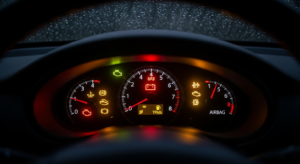
Here are the key dashboard lights every driver should recognize:
🛢️ Engine Oil Pressure Warning
This symbol usually appears in red, and if it flashes, it signals dangerously low oil pressure. Without proper lubrication, the engine can suffer major damage in just minutes.
What to do:
-
Stop the vehicle immediately
-
Check the oil level and top it up if needed
-
If the light remains on → seek assistance or go to a repair shop
Driving with low oil pressure can lead to complete engine failure.
🔧 Check Engine Light (Malfunction Indicator Lamp)
One of the most common and sometimes misunderstood symbols. It can illuminate for many reasons: issues with the catalytic converter, sensors, spark plugs, or fuel system.
How to respond:
-
Steady light: Schedule diagnostic service soon
-
Flashing light: Serious problem → stop driving and call a mechanic
Ignoring this warning may cause greater engine damage and increased emissions.
⚠️ Tire Pressure Monitoring System (TPMS)
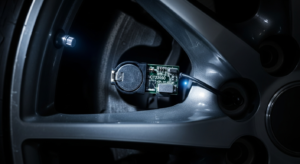
This light warns you when one or more tires are under-inflated.
Why it’s important:
-
Low pressure increases risk of tire blowout
-
Reduces fuel efficiency
-
Damages tires and suspension parts
Check tire pressure immediately and inflate to the recommended PSI shown on the driver-side door sticker.
🅿️ Brake System Warning Light
While this light appears when the parking brake is active, it can also indicate:
-
Low brake fluid
-
Worn brake pads
-
Brake hydraulic system failure
If it appears unexpectedly while driving → reduce speed and stop safely. Brakes are a critical safety system, and malfunctions require urgent inspection.
🌡️ Coolant Temperature Warning Light
This red thermometer symbol means the engine is overheating — a severe condition that can lead to warped engine parts, gasket failure, or total engine breakdown.
Immediate steps:
-
Pull over and turn off the engine
-
Let it cool down before opening the hood
-
Check coolant level and refill if low
-
Visit a service center to identify leaks or pump issues
Never continue driving with an overheating engine.
🧰 Conclusion: Pay Attention to What Your Car Tells You
Dashboard warning lights are your car’s way of communicating. They provide real-time updates that help prevent dangerous failures and expensive repairs.
To stay safe and protect your vehicle:
✔ Check warning lights as soon as they appear
✔ Follow color-coded urgency rules
✔ Never ignore red alerts
✔ Schedule regular vehicle maintenance
✔ Visit a professional mechanic for diagnostics when needed
By staying alert and informed, you ensure smoother operation, longer engine life, and safer trips wherever you travel.