Most Expensive Car Parts to Repair or Replace: Complete Guide & Prevention Tips
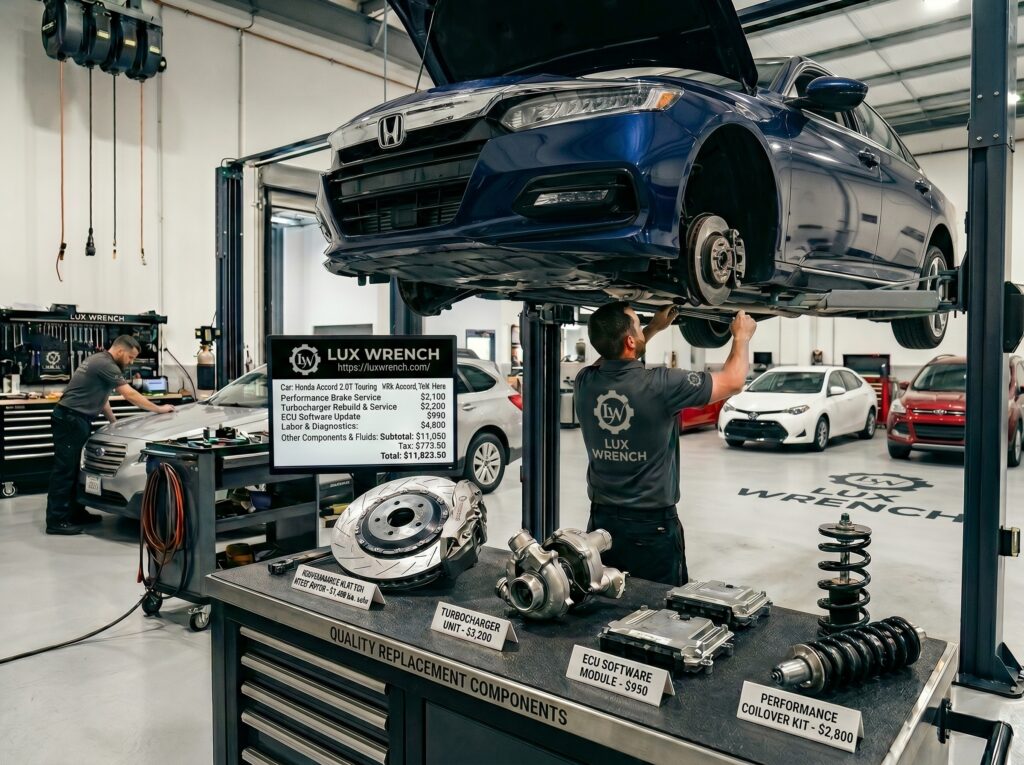
Cars are complex machines made of thousands of interconnected parts. While regular maintenance helps avoid most problems, some components naturally wear out or fail over time, and repairing or replacing them can cost a fortune. Knowing exactly which parts are the most expensive, why they fail, and how to protect them is the best way to save money and avoid unpleasant surprises. In this guide, we break down the most costly failures, explain what causes them, and give you the keys to prevent them.
🔧 Engine Components: The Most Expensive Failures
The engine is the heart of the vehicle, and it contains the most expensive parts to fix. Any major failure here involves labor-intensive work and high-cost parts.
1. Cylinder Head Gasket
This is one of the most critical and expensive repairs. The gasket sits between the engine block and the cylinder head, creating a perfect seal to keep oil, coolant, and combustion gases in their correct places. It works under extreme heat and pressure.
- ⚠️ Why it fails: Usually due to overheating, bad coolant circulation, or age. When it blows, the seal breaks completely.
- 💸 Cost: Between $1,200 and $3,000 USD / €1,000 – €2,500. It takes many hours of labor to disassemble the top of the engine.
- 🛡️ Prevention: Never let the engine overheat. Check coolant levels regularly and change the fluid every 2 years or 40,000 km.
2. Timing Belt / Distribution System Breakage
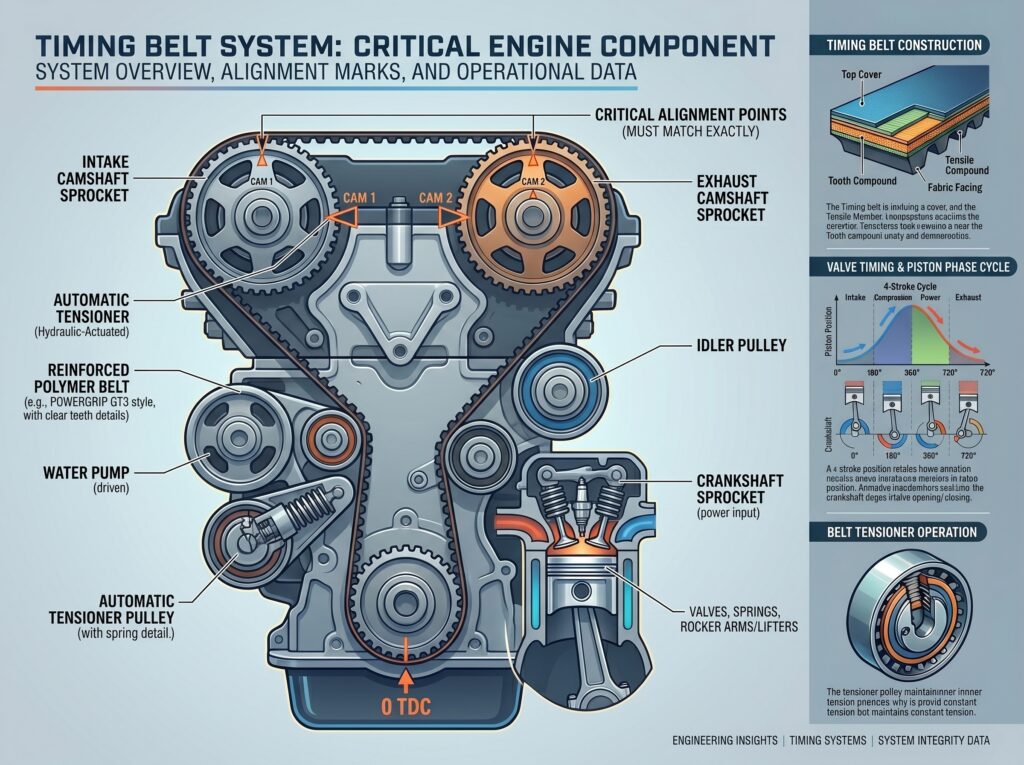
We talked about this in the previous article, but it is worth repeating: if this rubber belt breaks while driving, the damage is catastrophic. It synchronizes the engine, and if it fails, metal parts collide.
- ⚠️ Consequence: Bent valves, damaged pistons, cracked cylinder head. Often the engine is completely destroyed.
- 💸 Cost: Repairing the damage: **$2,500 – $5,000+ USD**. Replacing the belt on time: only **$400 – $800 USD**. The difference is huge.
- 🛡️ Prevention: Change it strictly following the manufacturer’s schedule (usually every 90,000–120,000 km or 5–6 years), always including the water pump and tensioners.
3. Fuel Pump
Located inside the fuel tank, its job is to send fuel at high pressure to the engine. It is built to last, but bad habits destroy it early.
- ⚠️ Why it fails: Dirty fuel, water in the tank, or running the car with the fuel level too low. The pump is cooled and lubricated by the fuel itself; if you drive with the light on, it overheats and burns out.
- 💸 Cost: **$800 – $1,800 USD**, including labor because you have to access or remove the tank.
- 🛡️ Prevention: Always keep the tank above 1/4 full. Use good quality fuel and change the external fuel filter regularly.
4. Turbocharger
Found in almost all modern diesel and gasoline engines. It is a precision turbine that spins at incredible speeds (up to 150,000 RPM) to force air into the engine and increase power.
- ⚠️ Why it fails: **Lack of lubrication is the #1 cause.** If oil is dirty, low level, or you accelerate hard just after starting, the bearings burn out. Also, letting the engine stop suddenly after driving fast kills the turbo.
- 💸 Cost: **$1,500 – $4,000 USD**, sometimes even more for luxury or high-performance models.
- 🛡️ Prevention: Use high-quality synthetic oil, change it on time, and let the engine idle for 1–2 minutes before turning it off after a long drive.
5. Fuel Injectors
They are tiny precision valves that spray fuel in a very fine mist directly into the cylinder. Modern systems (Common Rail) work under extremely high pressure.
- ⚠️ Why it fails: Dirt, impurities, or water in the fuel scratch the internal nozzles. They clog or leak.
- 💸 Cost: **$400 – $1,200 USD each**. If you have to change all 4 or 6, the bill gets very big very fast. Diesel injectors are significantly more expensive than gasoline ones.
- 🛡️ Prevention: Quality fuel is non-negotiable. Use additives occasionally and change filters as recommended.
⚙️ Transmission and Gearbox: The Second Most Expensive Failure
Whether manual or automatic, the transmission is a complex mechanical or hydraulic system that transfers power from the engine to the wheels. It is, without a doubt, one of the most expensive repairs you can face.
- ⚠️ Common issues: Slipping gears, jerky movements, strange noises, fluid leaks, or failure to engage. In automatics, the electronic control unit or torque converter often fails.
- 💸 Cost: **$2,000 – $6,000 USD** for a full rebuild or replacement. Automatic transmissions are always more expensive than manual ones.
- 🛡️ Prevention: Never change gear while moving, do not overload the vehicle, and strictly follow the transmission fluid change intervals. For automatics, fluid service every 40,000–60,000 km is vital.
🚙 Suspension and Steering: Safety and Comfort at Risk
These parts ensure the car stays stable, absorbs bumps, and allows you to steer safely. Although individual parts are not ultra-expensive, the problem is that **if one fails, others follow**, and you usually end up changing the whole system.
- 🔧 Key parts: Shock absorbers, struts, control arms, ball joints, tie rods, and steering rack.
- ⚠️ Damage: Driving over potholes, speed bumps too fast, or bad roads. Wear causes looseness, vibrations, and dangerous braking distances.
- 💸 Cost: Steering rack: **$1,000 – $2,000 USD**. Full suspension overhaul: **$1,500 – $3,000 USD**.
- 🛡️ Prevention: Slow down on bad roads. If you hear clunks or feel vibrations, fix it immediately so it doesn’t destroy the rest of the system.
🛑 Brake System: Critical for Safety
While pads and discs are cheap consumables, the main components of the system are expensive. Neglecting brakes is dangerous and costly.
- 🔧 Expensive parts: ABS module, brake master cylinder, calipers, and brake booster.
- ⚠️ Failure: Stuck calipers, hydraulic leaks, or electronic errors in the ABS system.
- 💸 Cost: Replacing the ABS unit or master cylinder: **$800 – $1,500 USD**. High-performance or specialized systems cost double.
- 🛡️ Prevention: Change brake fluid every 2 years (it absorbs moisture and corrodes metal parts). Replace pads before they damage the discs.
💻 Electronics and Control Units: The Modern Nightmare
Modern cars are basically computers on wheels. The Engine Control Unit (ECU), body control modules, sensors, and wiring harnesses are incredibly complex and expensive. **This is currently the fastest-growing repair cost.**
- ⚠️ Problems: Water damage, short circuits, software bugs, or fried modules due to jump-starting incorrectly. Diagnosing these failures takes hours of specialized labor.
- 💸 Cost: Replacing and programming an ECU or main module: **$1,000 – $3,000+ USD**. Sometimes even more in luxury cars.
- 🛡️ Prevention: Never do electrical work yourself. Do not jump-start the car wrong. Keep the battery in good condition. Update software only at certified shops.
✅ Ultimate Guide: How to Avoid These Expensive Repairs
Almost all expensive breakdowns are preventable. Here is the exact plan to protect your wallet:
- Follow the Maintenance Schedule: The manufacturer’s manual is your best friend. Change oil, filters, and fluids exactly when they say. This is the cheapest insurance you can buy.
- Use Quality Fluids and Parts: Do not buy cheap oil or unknown brand filters. Saving $20 now can cost you $2,000 later. Quality fuel and coolant are non-negotiable.
- Listen and Look: Strange noises, vibrations, smoke, or dashboard lights are not normal. **Address them immediately.** A small leak today is a destroyed engine next month.
- Protect Critical Systems: Timing belt, turbo, and transmission are the big three. Treat them with care: warm up the engine, let it cool down before turning off, and change fluids on time.
- Trust Professionals: Complex systems (electronics, injection, gearbox) require specialists. Amateur repairs often make things worse and much more expensive.
📹 Video Explanation: Most Expensive Repairs & How to Avoid Them
Watch this video to see exactly how these parts work, why they break, and the best maintenance habits:
📌 Conclusion
The most expensive parts to repair are always the ones that work the hardest or are most complex: engine internals, transmission, turbochargers, fuel systems, and electronics. However, there is a clear pattern: **almost all catastrophic failures are caused by lack of maintenance or neglect.**
By understanding what can go wrong and how much it costs, you realize that investing in prevention is not an expense, but a huge saving. Taking care of these key components ensures your car lasts longer, drives safer, and keeps thousands of dollars in your pocket instead of the mechanic’s. Stay alert, follow the schedule, and your vehicle will reward you with years of reliable service.