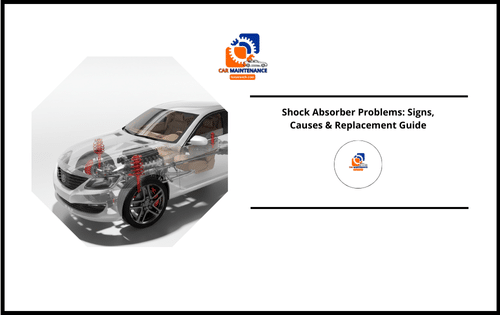
Shock absorbers function as critical hydraulic components within your vehicle’s suspension architecture, profoundly impacting ride comfort, handling dynamics, and roadway safety. These mechanical dampers operate constantly to control spring rebound, preserve consistent tire-road interface, and establish the vital connection linking your automobile’s body to its suspension framework. Mastering shock absorber operation and identifying failure indicators safeguards vehicle capability and occupant protection.
Understanding Shock Absorber Functionality
Within your suspension arrangement, shock absorbers operate as advanced energy transformation mechanisms. Each time your automobile encounters pavement defects—including potholes, raised crosswalks, or irregular surfaces—coil springs compress to capture impact forces. Absent shock absorbers, these springs would oscillate continuously without restraint, generating an intolerable and hazardous driving experience.
The shock absorber’s fundamental purpose centers on transforming kinetic motion energy into dissipated heat through hydraulic friction. Within each damper unit, a precision piston travels through engineered viscous fluid, creating resistance that converts movement into thermal output. This mechanism swiftly neutralizes spring vibrations, eliminating uncontrolled bouncing while preserving automobile stability.

This perpetual damping function delivers numerous essential advantages. It maintains tires in constant contact with driving surfaces, guarantees responsive directional control, prevents load displacement, and provides the refined, managed ride contemporary motorists demand. Without operational dampers, your automobile becomes challenging to operate and genuinely dangerous.
Factors Causing Shock Absorber Degradation
Multiple variables expedite shock absorber deterioration across their operational lifespan. Cumulative distance traveled constitutes the most apparent factor—extended mileage translates to increased compression-extension sequences, progressively eroding internal mechanisms. Most automotive manufacturers suggest damper renewal between 50,000-100,000 miles, although genuine longevity fluctuates substantially.
Pavement condition dramatically influences degradation velocity. Automobiles consistently operated on inadequately maintained thoroughfares featuring abundant potholes, coarse textures, and pronounced irregularities undergo hastened shock deterioration. Every severe jolt stresses sealing elements, valving assemblies, and piston mechanisms, diminishing component operational expectancy.
Vehicle payload configurations equally affect damper durability. Regularly transporting substantial cargo or surpassing capacity specifications compels shocks to function more intensively, producing supplementary thermal stress. Commercial automobiles, pickup trucks utilized for cargo transport, and passenger vehicles habitually loaded maximally typically necessitate more frequent damper replacement than minimally loaded private vehicles.
Identifying Shock Absorber Malfunction Indicators
Early detection of compromised shock absorbers prevents escalating complications from materializing. Monitor these characteristic alert signals:

Persistent Bouncing and Chassis Movement: The most recognizable manifestation involves sustained oscillation following bump encounters. Functional dampers arrest vibrations within one or two repetitions. Should your automobile continue bouncing repeatedly or exhibit floating sensations across undulating terrain, damper renewal is presumably delayed.
Abnormal Suspension Acoustics: Clunking, knocking, or rattling acoustics originating from suspension zones throughout operation signal internal damper destruction. These auditory warnings suggest deteriorated mounting bushings, compromised attachment hardware, or collapsed internal elements demanding urgent evaluation.
Automobile Instability Throughout Cornering: Deteriorated dampers permit extreme chassis roll during directional changes, producing uncomfortable tilting and diminishing tire adhesion. This destabilization becomes especially apparent during expressway lane transitions or navigating serpentine roadways at moderate velocities.
Forward-Pitching During Deceleration: When dampers malfunction, automobiles exhibit pronounced forward-tilting upon brake engagement. This nose-dive phenomenon transfers mass disproportionately toward front wheels, extending halt distances and compromising braking authority.
Irregular or Expedited Tire Degradation: Malfunctioning dampers allow tires to rebound and hop across pavement instead of sustaining continuous contact. This generates distinctive “cupping” or “scalloping” degradation configurations—asymmetrical elevated and depressed zones surrounding tire circumference mimicking saw-tooth patterns. Such configurations signify suspension complications demanding immediate attention.
Diminished Adhesion on Saturated Surfaces: Compromised dampers reduce tire engagement with moisture-covered pavement, considerably amplifying hydroplaning vulnerability. Should your automobile feel unstable or forfeit traction readily on damp roadways, exhausted dampers may contribute meaningfully to the predicament.
Prolonged Halting Distances: Because deteriorated dampers diminish tire contact uniformity, deceleration effectiveness suffers markedly. You’ll demand additional distance to halt securely, particularly throughout emergency circumstances when every measurement matters.
Hydraulic Fluid Seepage: Observable oil streaking or moisture on damper housings indicates compromised seals permitting internal fluid evacuation. Absent sufficient fluid, dampers cannot operate adequately and necessitate immediate substitution.
Degraded Headlamp Orientation: Severely compromised dampers permit excessive automobile displacement that impacts headlamp alignment. As the chassis rebounds and oscillates, headlamp projections shift unpredictably, diminishing nocturnal visibility and potentially dazzling approaching operators.
Hazards of Operating With Deteriorated Dampers
Operating automobiles featuring degraded shock absorbers generates numerous perils. Directional authority becomes erratic as the automobile responds lethargically to steering commands and behaves capriciously across uneven surfaces. Deceleration capability degrades substantially, elevating collision probabilities during critical situations.
Beyond safety considerations, exhausted dampers accelerate destruction to additional suspension and steering mechanisms. Spherical joints, mounting bushings, steering linkage terminals, and wheel bearings all undergo intensified stress when dampers fail controlling displacement adequately. This cascading consequence multiplies restoration expenses substantially when dampers aren’t substituted expeditiously.
Maintenance Protocols and Replacement Guidelines
While shock absorbers don’t mandate routine servicing resembling lubrication replacements, they require periodic evaluation to determine condition. Throughout scheduled maintenance appointments, technicians should scrutinize dampers for seepage, structural damage, and attachment integrity. Numerous facilities execute elementary bounce assessments—pressing downward decisively on each corner and monitoring rebound characteristics.

When replacement becomes imperative, invariably substitute dampers in axle configurations (both anterior or both posterior concurrently). Installing one renewed damper alongside an aged unit establishes asymmetrical damping that detrimentally affects maneuvering and hastens degradation on the fresh component.
Contemplate upgrading to performance-oriented dampers if your operational requirements surpass conventional equipment capabilities. Superior dampers furnish enhanced damping attributes, improved thermal administration, and amplified endurance for rigorous applications including trailer hauling, unpaved terrain navigation, or competitive operation.
Final Assessment
Shock absorbers constitute critical safety mechanisms meriting consistent attention and punctual replacement. They metamorphose harsh, unregulated oscillation into refined, foreseeable automobile motion while preserving tire engagement indispensable for adhesion, directional control, and deceleration.
Recognize malfunction manifestations encompassing excessive bouncing, peculiar acoustics, destabilization, forward-pitching, asymmetrical tire degradation, and fluid seepage. Address these alerts expeditiously through qualified evaluation and substitution when warranted. The expenditure in quality dampers yields considerable returns through amplified safety, enhanced comfort, prolonged tire longevity, and superior overall automobile capability.