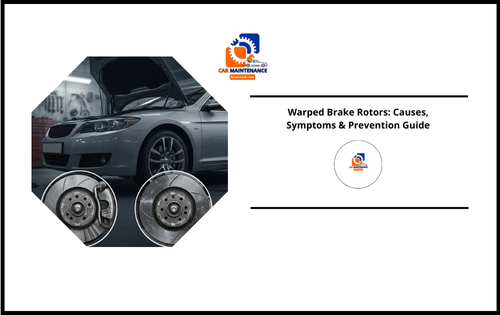
Brake rotors serve as vital safety components in your vehicle’s braking system, working in tandem with brake pads to deliver controlled, reliable stopping power. When you press the brake pedal, the pads press firmly against these spinning metal discs, creating friction that transforms motion into heat and brings your wheels to a stop. Over time, however, these essential parts can develop irregularities and warping that severely impact both braking effectiveness and overall vehicle safety.
What Does Brake Rotor Warping Mean?
For optimal performance, brake rotors require completely flat, even surfaces across their entire face. When thickness variations or uneven spots develop, mechanics refer to this condition as warped rotors. These irregularities create raised and recessed areas that prevent uniform pad-to-rotor contact, resulting in reduced braking power, extended stopping distances, and hazardous driving scenarios.
The term “warping” doesn’t always mean the rotor physically bends or twists. Instead, it frequently describes uneven pad material buildup, inconsistent thickness measurements, or heat-related surface modifications that produce irregular friction zones. Whatever the underlying mechanism, the consequences remain identical: degraded braking capability demanding immediate correction.
Why Do Brake Rotors Warp? Key Contributing Factors
Extreme Temperature and Heat Damage
Excessive heat stands as the number one culprit behind rotor warping. Normal braking activity generates substantial friction and corresponding temperature spikes that rotors must efficiently disperse. While rotor materials—usually cast iron or advanced composites—handle typical heat loads effectively, extended or aggressive braking surpasses their cooling capacity.

Continuous brake application, particularly during lengthy downhill sections, prevents adequate rotor cooling between stops. This relentless thermal stress triggers molecular alterations within the metal’s structure, forming weak zones that erode unevenly. Cyclical heating and cooling magnify this deterioration, progressively distorting the rotor surface through sustained thermal expansion and contraction.
Pad Material Deposits and Transfer
An often-overlooked warping cause involves brake pad compounds migrating onto rotor surfaces. Modern brake pads incorporate diverse materials exhibiting varying hardness grades, friction ratings, and bonding characteristics. Under specific thermal conditions, pad material spreads irregularly across the rotor face.
When pads reach extreme temperatures, their binding resins soften considerably, allowing microscopic particles to transfer onto the spinning rotor. These accumulated deposits form elevated patches that simulate genuine warping during brake applications. Though not technically mechanical deformation, this material buildup produces identical symptoms and performance degradation.
Installation Errors and Improper Torque Specifications
Faulty rotor mounting procedures contribute substantially to warping complications. When technicians tighten wheel lug nuts inconsistently or exceed torque specifications, they generate concentrated stress zones that physically distort the rotor. This asymmetrical clamping pressure forces subtle rotor flexing, producing thickness discrepancies that manifest as warping symptoms.
Expert installation adhering strictly to manufacturer torque guidelines eliminates these problems. Employing calibrated torque wrenches while following proper star-pattern tightening sequences guarantees balanced pressure distribution and preserves rotor geometry.
High-Performance Driving and Panic Braking
Fast-paced driving combined with abrupt emergency stops establishes perfect conditions for rotor destruction. The pairing of elevated speeds with sudden maximum braking efforts concentrates massive heat quantities in localized rotor zones. Repeated exposure to such brutal conditions rapidly accelerates wear patterns and warping development.
Track racing, trailer towing, and regular mountain navigation impose extraordinary demands on brake assemblies. Without sufficient cooling intervals separating intense brake usage, rotors cannot effectively manage thermal loads, resulting in accelerated warping and component breakdown.
Effective Prevention Tactics for Extended Rotor Life
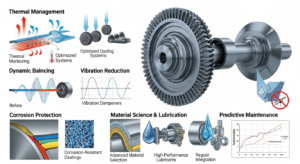
Smart Braking Methodology
Implementing intelligent braking practices substantially prolongs rotor lifespan while preventing warpage. During extended descents, shift into lower transmission ranges instead of maintaining constant brake pressure. Engine compression braking moderates vehicle velocity while permitting rotor temperature recovery, eliminating heat accumulation that triggers warping.
Minimize unnecessary pedal applications through traffic anticipation and adequate spacing from preceding vehicles. Progressive, gentle braking distributes thermal energy more efficiently than repeated aggressive stops. Where feasible, incorporate cooling intervals between demanding brake operations during challenging driving circumstances.
Premium Component Investment
Purchasing superior-grade rotors and brake pads delivers substantial returns through enhanced durability and steady performance. High-end rotors incorporate advanced metallurgy and superior thermal management properties, while quality pads sustain appropriate friction values without excessive material migration.
Align brake components with your specific driving requirements and vehicle applications. Sports cars, towing trucks, and vehicles operating in mountainous regions benefit tremendously from enhanced braking systems engineered for elevated thermal demands.
Systematic Inspection Protocols
Routine brake system evaluations detect emerging issues before they jeopardize safety. Examine rotors for observable grooves, fractures, or heat discoloration signaling excessive temperature exposure. Verify rotor thickness measurements against minimum manufacturer specifications, recognizing that thin rotors warp considerably easier.
Replace brake pads well before complete wear occurs, preventing destructive metal-on-metal contact that ravages rotors. Maintain proper brake fluid condition and execute scheduled replacements, understanding that contaminated fluid diminishes braking efficiency while generating additional heat.
Warning Signs Indicating Warped Rotors
Multiple distinctive signals indicate warped rotors requiring professional attention:

Brake Pedal Pulsing: The clearest indicator involves rhythmic pedal vibration during braking applications. This pulsating sensation results from pads encountering alternating high-low zones on distorted rotor surfaces.
Steering Column Shaking: Warped front rotors frequently trigger steering wheel trembling during deceleration. Vibration severity generally escalates with increased pedal pressure and higher velocities.
Abnormal Brake Sounds: Scraping, grinding, or squealing noises throughout braking point toward rotor surface abnormalities. As pads negotiate uneven rotor faces, these audible warnings become progressively obvious.
Burnt Smell Detection: Characteristic burnt rubber or overheated metal odors following brake use suggest extreme heat development and possible pad compound transfer onto rotors.
Variable Braking Response: When stopping effectiveness fluctuates or feels choppy rather than smooth and linear, warped rotors probably contribute significantly to the malfunction.
Final Thoughts on Rotor Maintenance
Warped brake rotors present serious threats to vehicle safety and braking capability, making prevention and timely identification absolutely critical. Understanding root causes—extreme temperatures, material deposits, installation mistakes, and aggressive operation—empowers you to implement habits that maximize rotor longevity and sustain peak braking function.
Stay alert for warning indicators including pedal pulsation, vibrations, abnormal sounds, and burning smells. Address these symptoms immediately through qualified professional diagnosis and service. When circumstances warrant, have rotors machined or replaced to restore full braking functionality.